


Uncategorized
Where to Hire Credit Card Hacker
Aug
Credit & Debit Card Hacking: Understanding Payment Card Cybercrime
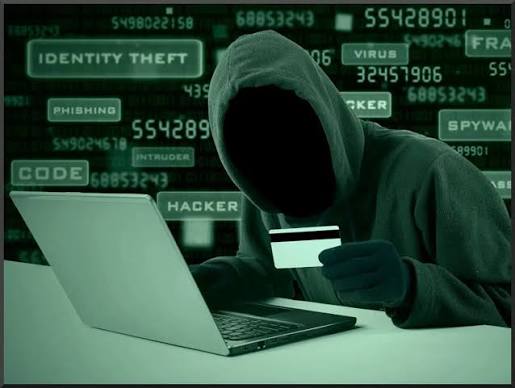
Where to Hire a Credit & Debit Card hacker is a major form of financial cybercrime affecting individuals, businesses, banks, and online payment systems. As digital payments continue to grow, criminals increasingly attempt to obtain payment information through phishing, social engineering, malware, data breaches, and other forms of fraud.
Understanding these threats is important for recognizing suspicious activity and protecting sensitive financial information.
What Is Credit & Debit Card Hacking?
Where to get Credit & Debit Card Hacking refers to unauthorized attempts to obtain, access, or misuse payment-card information.
Criminals may target card numbers, authentication information, online banking accounts, or other sensitive financial data. Compromised information can potentially be used for fraudulent transactions or further identity-related crimes.
Common Types of Payment Card Cybercrime
Card Data Theft
Hire a Hacker for Credit & Debit Card Hacking may be exposed through compromised websites, malware, data breaches, or fraudulent communications. Organizations that process payment information are therefore important targets for cybercriminals.
Phishing
Phishing is one of the most common methods used to trick people into providing sensitive information. Fraudulent messages may impersonate banks, payment providers, online stores, or financial institutions.
Social Engineering
Social engineering focuses on manipulating people rather than directly attacking technology. Attackers may pretend to be legitimate representatives and attempt to persuade victims to disclose confidential information.
Hire a Hacker for Account Takeover
If criminals obtain legitimate login credentials, they may attempt to gain unauthorized control of an associated financial account. Reused passwords can increase this risk.
Financial Malware
Some malware families are designed to steal sensitive information from compromised devices. Keeping software updated and avoiding suspicious downloads can reduce exposure to these threats.
Warning Signs of Card Fraud
People should pay attention to unusual activity such as:
- Transactions they do not recognize
- Unexpected payment notifications
- Unknown changes to account information
- Suspicious messages claiming to be from a bank
- Unexpected password-reset requests
- Notifications about unfamiliar devices or logins
Early detection can help limit the impact of fraudulent activity.
How to Protect Credit and Debit Cards
Use strong, unique passwords for financial accounts and enable multi-factor authentication whenever available.
Never provide card details, passwords, verification codes, or other sensitive information in response to unexpected messages or calls.
Regularly review bank and card statements. Transaction alerts can also provide an early warning when suspicious activity occurs.
Keep operating systems, browsers, mobile applications, and security software updated. Avoid downloading software or opening attachments from unknown sources.
What to Do If Your Card Information Is Compromised
If you suspect unauthorized card activity, contact your bank or card issuer immediately through an official channel Best Credit & Debit Card Hacker.
Depending on the situation, the financial institution may be able to block the card, investigate suspicious transactions, and provide a replacement card.
You should also secure related online accounts and monitor them for additional suspicious activity.
Ethical Hacking and Payment Security
Authorized security researchers and ethical hackers can help organizations identify weaknesses in payment systems, web applications, and financial infrastructure.
This type of testing requires appropriate authorization and is fundamentally different from attempting to access another person’s financial information.
Conclusion
Credit and debit card hacking remains an important financial-security concern. Phishing, social engineering, malware, data breaches, and account takeover can all contribute to payment-card fraud.
Learning how these threats operate, recognizing warning signs, and following strong security practices can help individuals and organizations reduce their exposure.
Hacknexa.io provides educational content about hacking, cybercrime, digital threats, and cyber operations to promote greater awareness and understanding of the evolving digital landscape.
